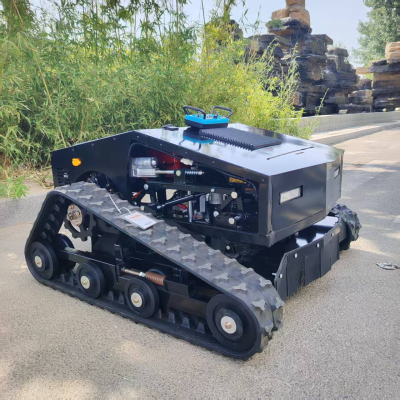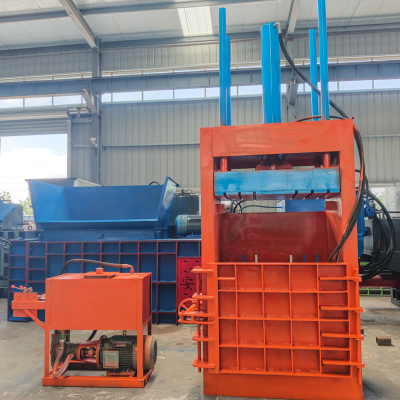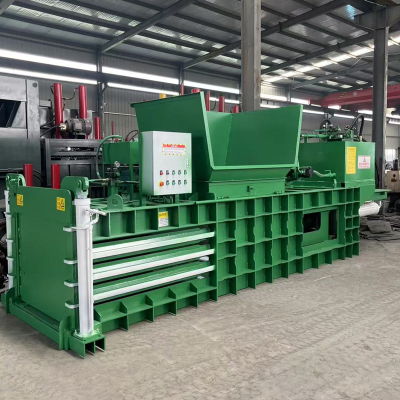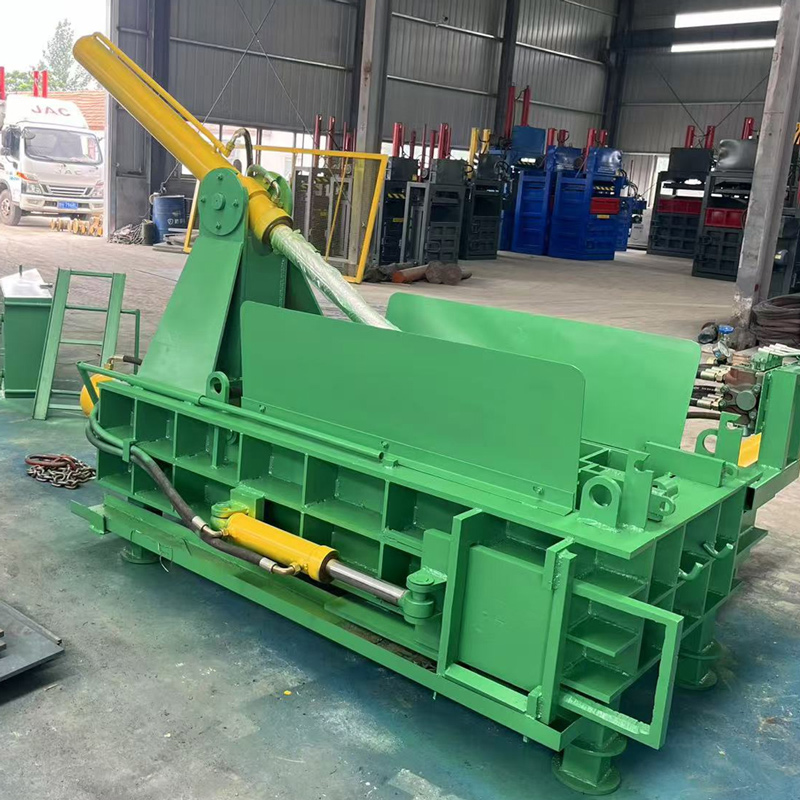
Metal Compactor Machine
High Compression Efficiency – Turns metal scrap into dense blocks, saving storage and transport space.
Better Smelting Performance – Compact briquettes reduce loss and improve melting efficiency.
Smart & Energy-Saving – Automated control ensures efficient, low-energy operation.
Cost-Effective Recycling – Reuses scrap materials, cutting production and logistics costs.
Eco-Friendly Design – Supports green recycling and meets environmental policy standards.
Product Introduction
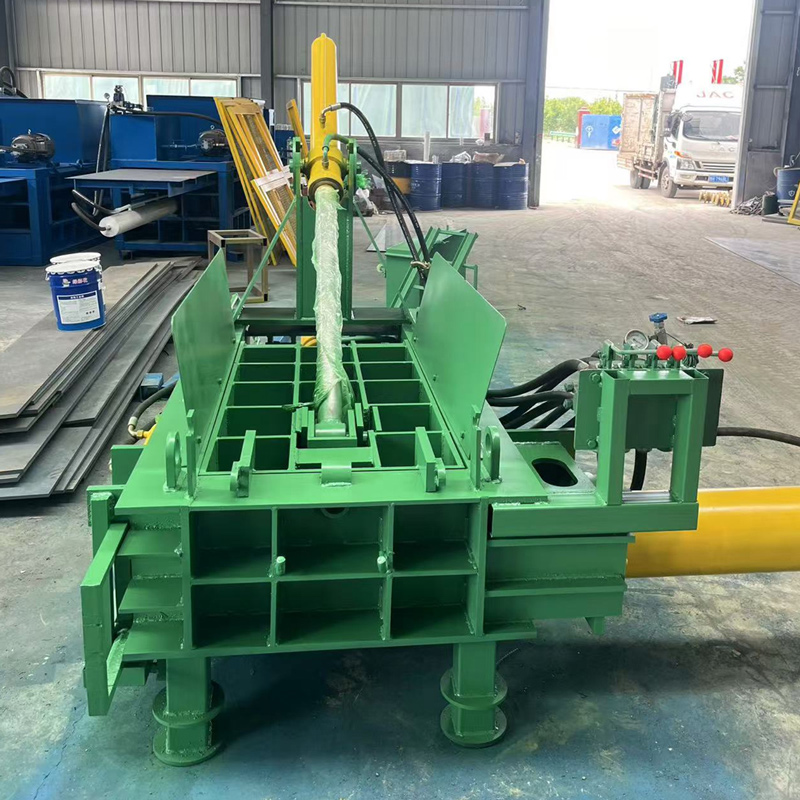
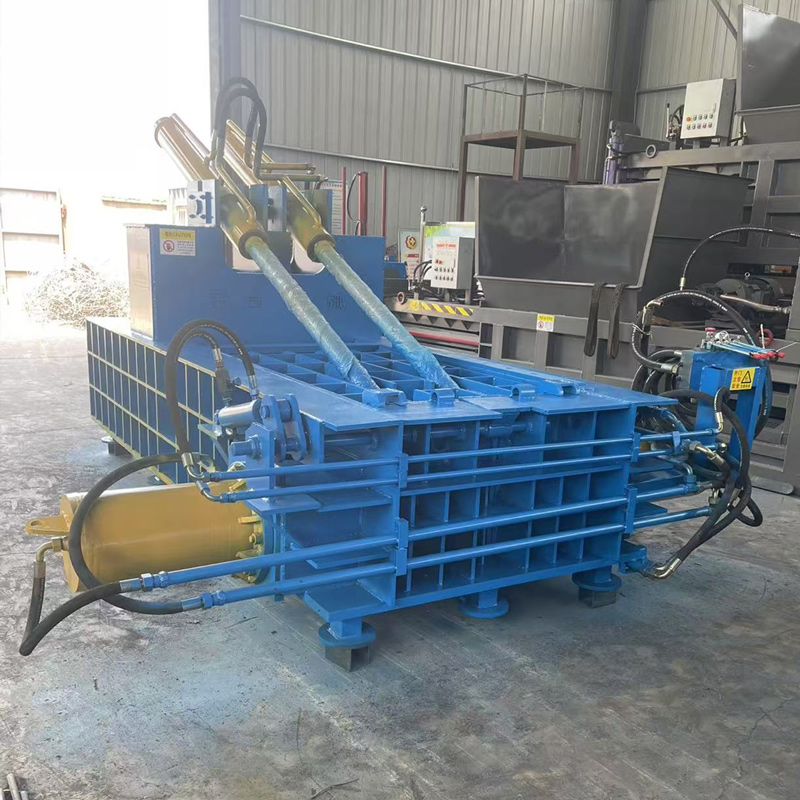
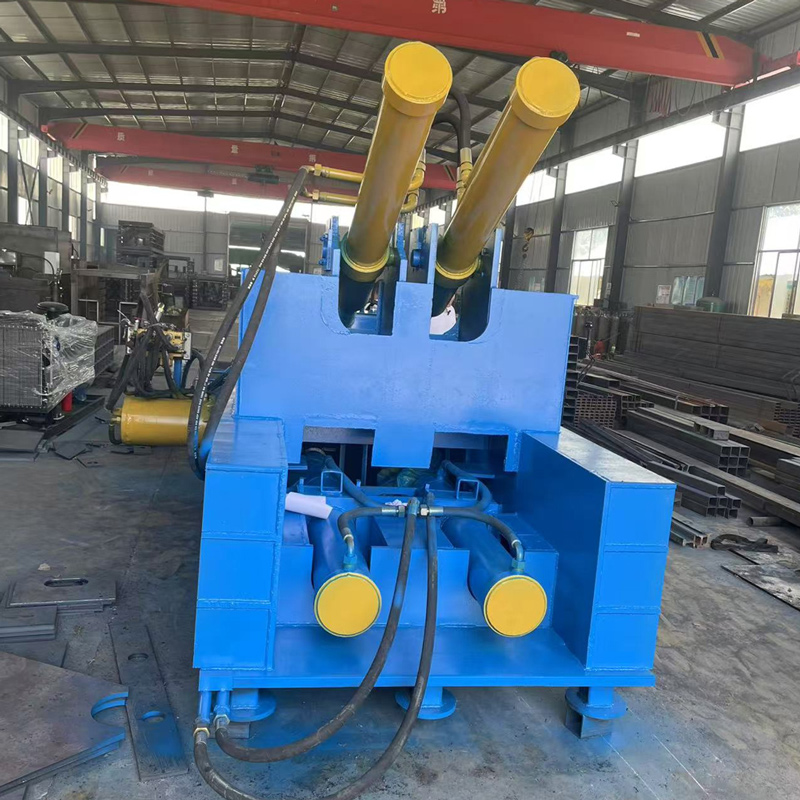
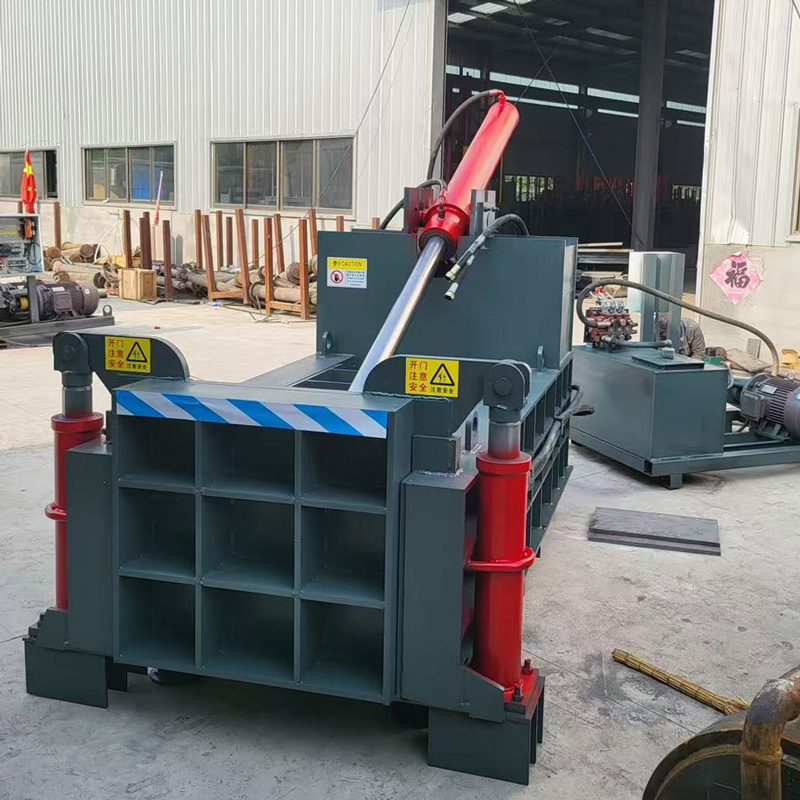
The Metal Compactor Machine is a high-efficiency recycling equipment designed to compress various metal scraps—such as steel, aluminum, copper, and iron—into dense, uniform briquettes through powerful hydraulic or diesel-driven systems. By greatly reducing material volume, it optimizes storage and transportation while improving smelting efficiency and minimizing melting losses. Equipped with intelligent control systems, the machine ensures fully automated, energy-saving, and eco-friendly operation with low noise and no secondary pollution. It enables manufacturers and recycling facilities to transform waste metal into reusable resources, effectively lowering production and logistics costs. Widely used in steel plants, metal processing factories, and non-ferrous metal smelting industries, the metal briquetting machine not only enhances operational efficiency but also supports sustainable resource utilization in line with modern environmental policies.
Working Principle
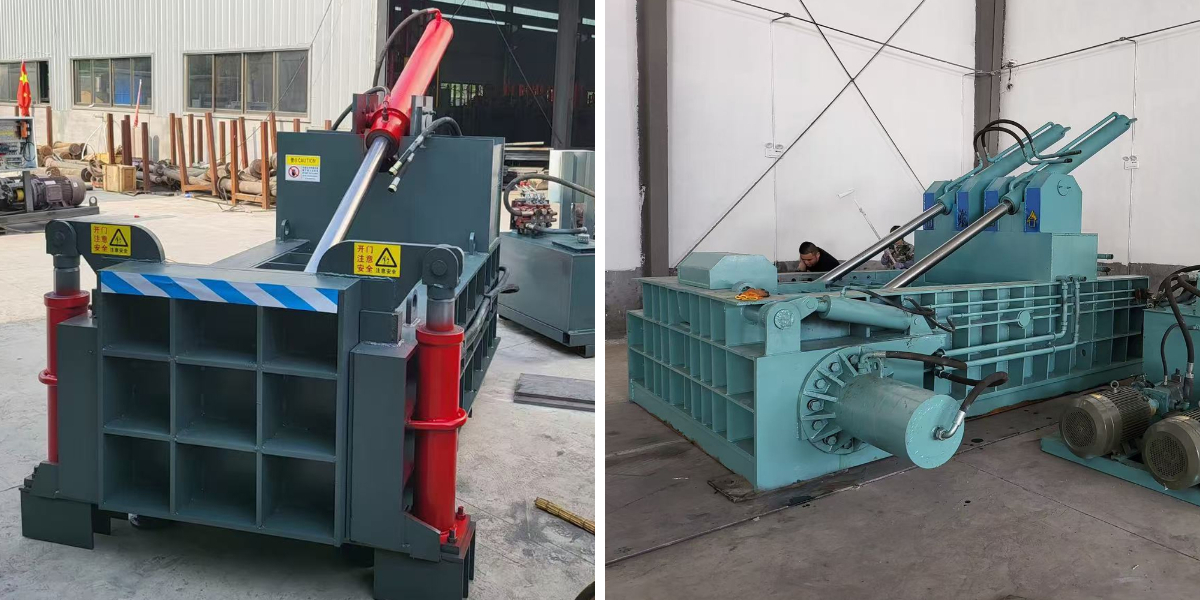
A metal briquetting machine consists primarily of a hydraulic system, compression chamber, and mold set. The hydraulic system serves as the power source, pressurizing hydraulic oil through a pump and delivering it to the compression chamber. The chamber is composed of upper and lower molds with a gap in between. When the hydraulic oil enters the chamber, the upper mold moves downward under pressure to close with the lower mold, compressing the metal waste between them into a dense briquette.
Machine Types and Features
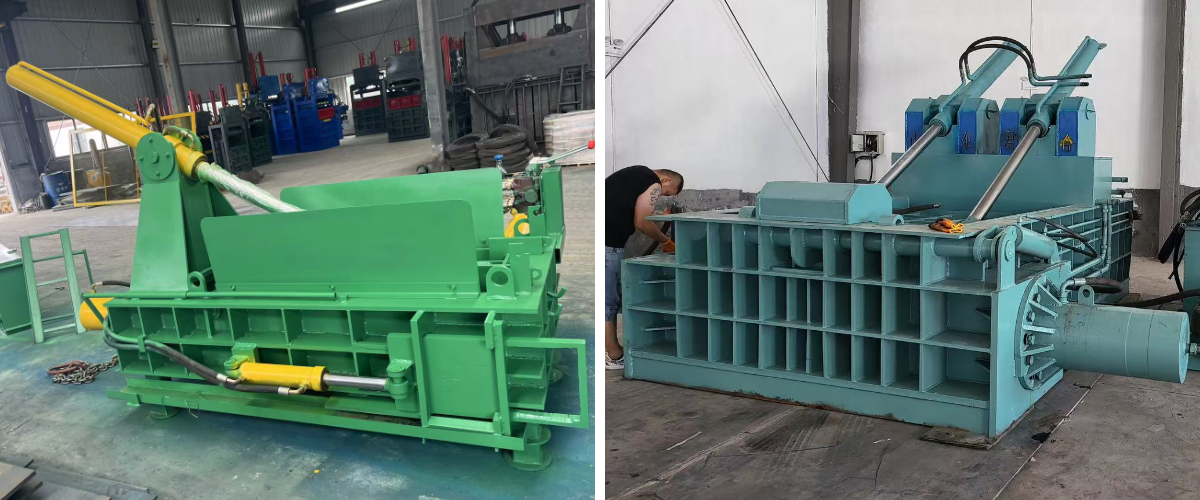
Metal Chip Briquetting Machine:
Specially designed to cold-press granular metal scraps such as cast iron chips, steel chips, copper chips, and aluminum chips into high-density cylindrical briquettes. These briquettes are easy to store, transport, and remelt, with minimal material loss. The process requires no heating, additives, or other treatments, preserving the original material properties.Metal Baler:
Capable of compressing larger metal pieces, such as scrap steel, iron, and dismantled vehicle shells, into rectangular or cylindrical blocks suitable for furnace feeding. The compressed blocks are convenient for storage, transportation, and recycling in smelting operations.
Technical Parameters
Metal briquetting machines are available with extrusion forces ranging from 100 tons to 400 tons, achieving production capacities from 5 tons to 50 tons per shift. Parameters such as main cylinder diameter, briquette size, pressing speed, and briquette density can be customized according to the model and user requirements.
Operation and Maintenance
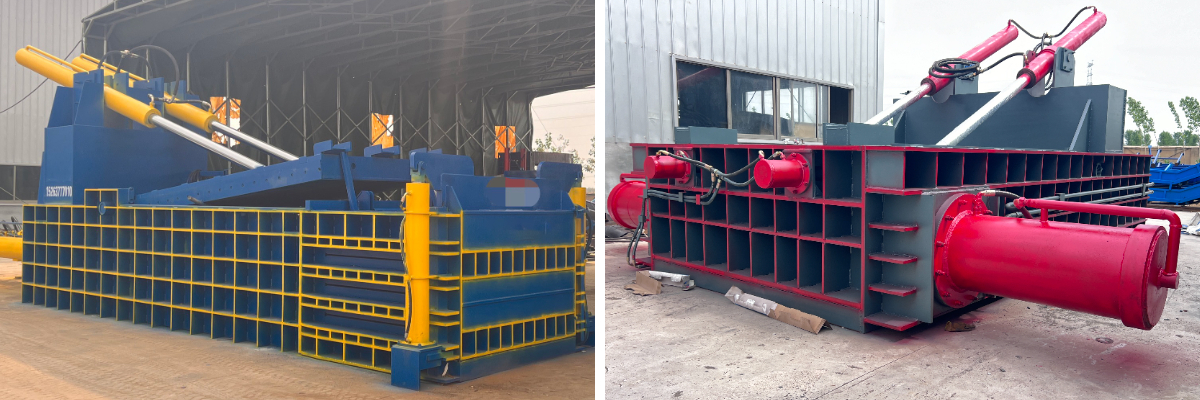
Before operation, it is essential to check all components, including the hydraulic system, lubrication, brakes, and switches. Regular maintenance includes replacing hydraulic oil, cleaning the hydraulic system, and inspecting mold wear to ensure long-term, stable operation.
Advantages and Applications
By using cold-press forming technology, the metal briquetting machine reduces recycling costs and minimizes environmental risks such as soil and water pollution. The high-density briquettes produced can replace pig iron in foundries, promoting resource recycling and sustainability. The machine plays a vital role in steel plants, metal recycling centers, and non-ferrous and ferrous metal smelting industries.