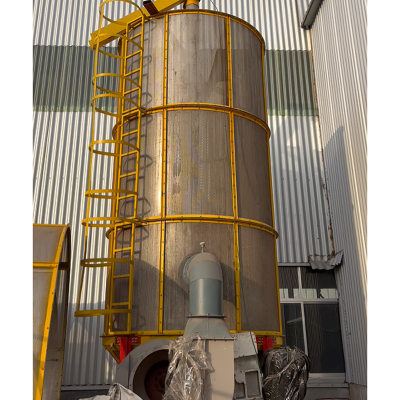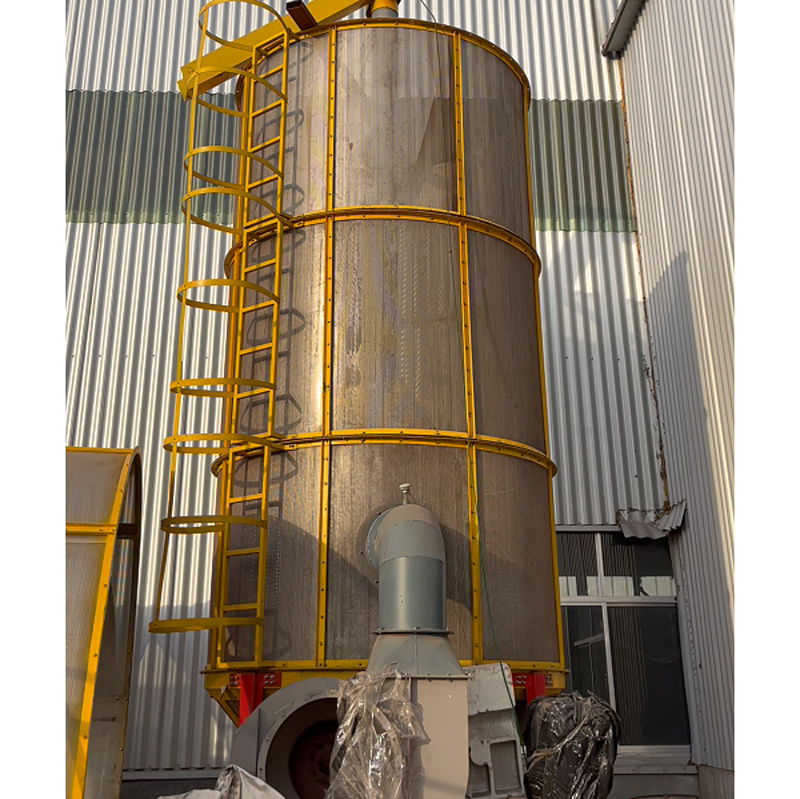
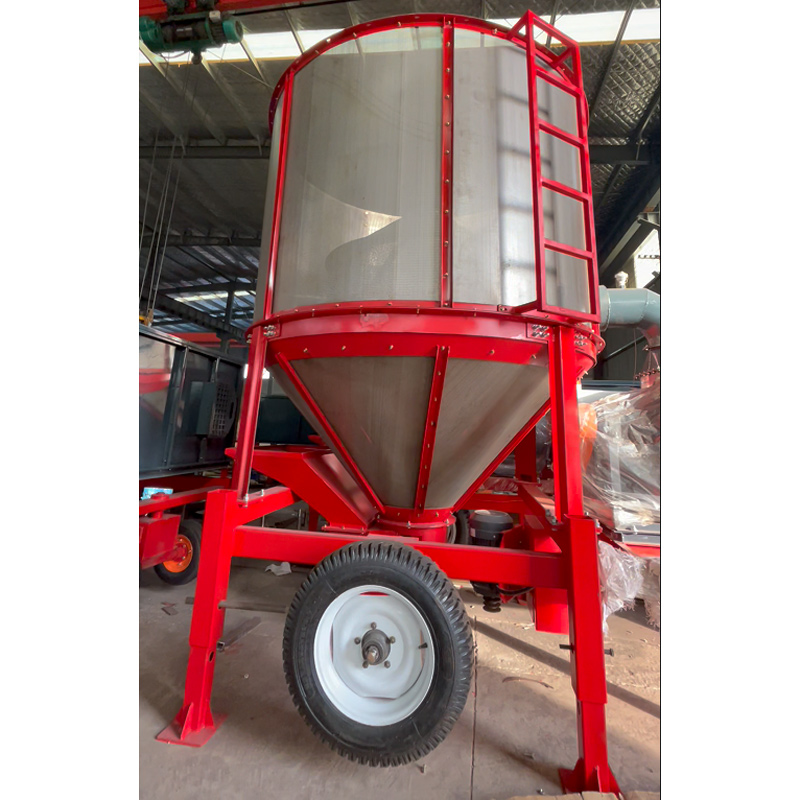
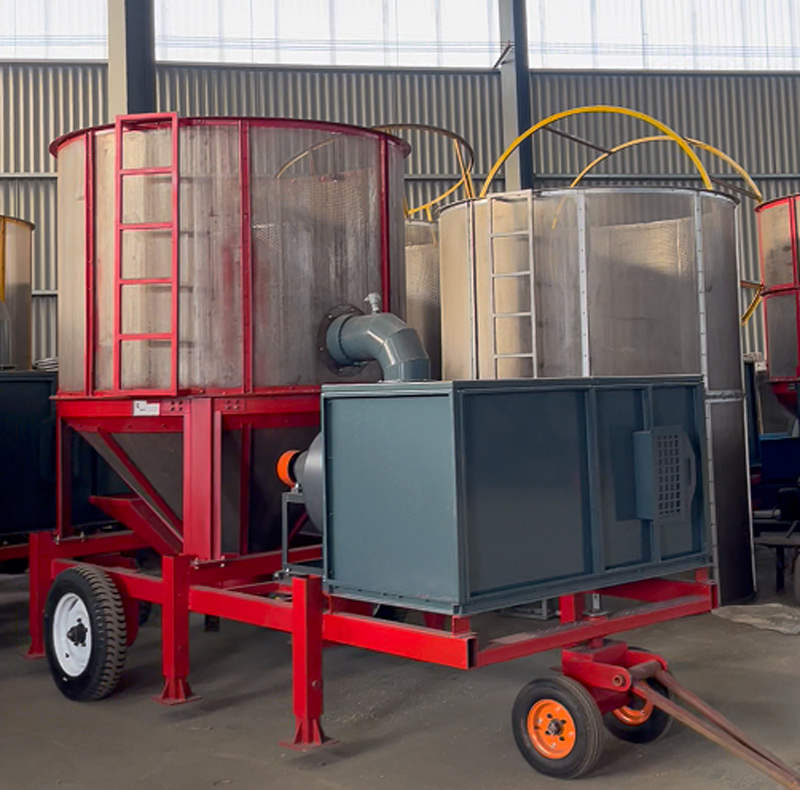
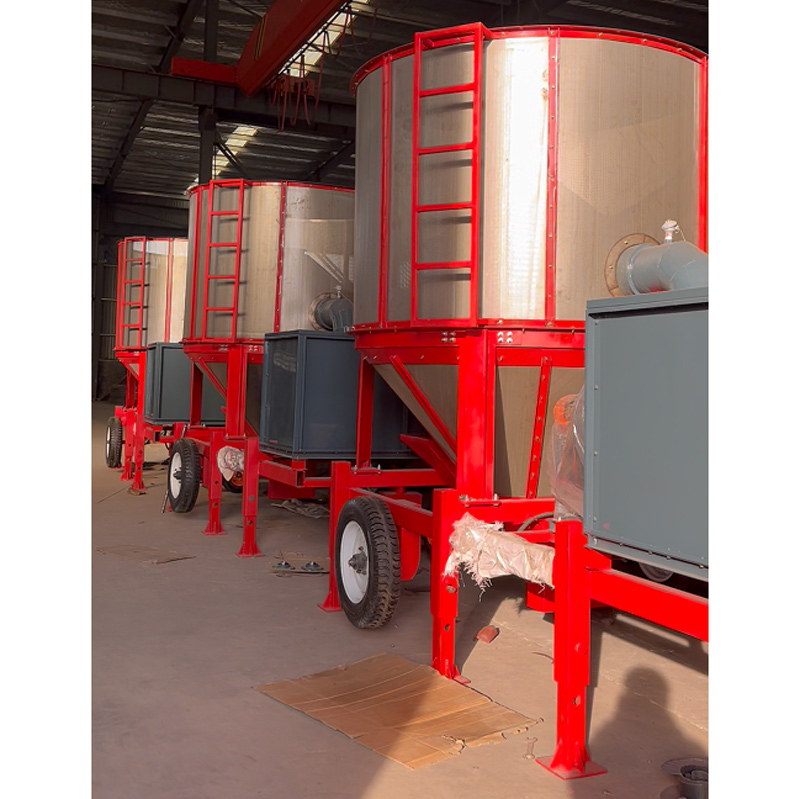
Mobile Corn Dryer
Fast & Efficient Drying – Advanced hot air circulation ensures quick, even drying and higher yield.
Better Grain Quality – Maintains color, flavor, and nutrients with precise temperature control.
Smart Operation – Automated system saves labor and adjusts to different crops easily.
Wide Application – Suitable for wheat, rice, corn, and other grains with customizable options.
Longer Storage Life – Reduces moisture, prevents mold and pests, and keeps grains fresh longer.
Product Introduction
The Grain Dryer Machine is a reliable and efficient agricultural device designed to quickly and safely dry various types of grains such as rice, wheat, and corn. Featuring a simple and practical structure, it is easy to operate, maintain, and transport, making it ideal for farms and grain processing facilities. The machine adopts advanced hot air circulation technology to ensure even drying without damaging the grain’s quality or nutrients. With its safe and stable performance, it effectively prevents mold, moisture, and pest infestation, extending storage life and maintaining food quality. Durable, energy-efficient, and user-friendly, the grain dryer is a dependable choice for modern agricultural production.
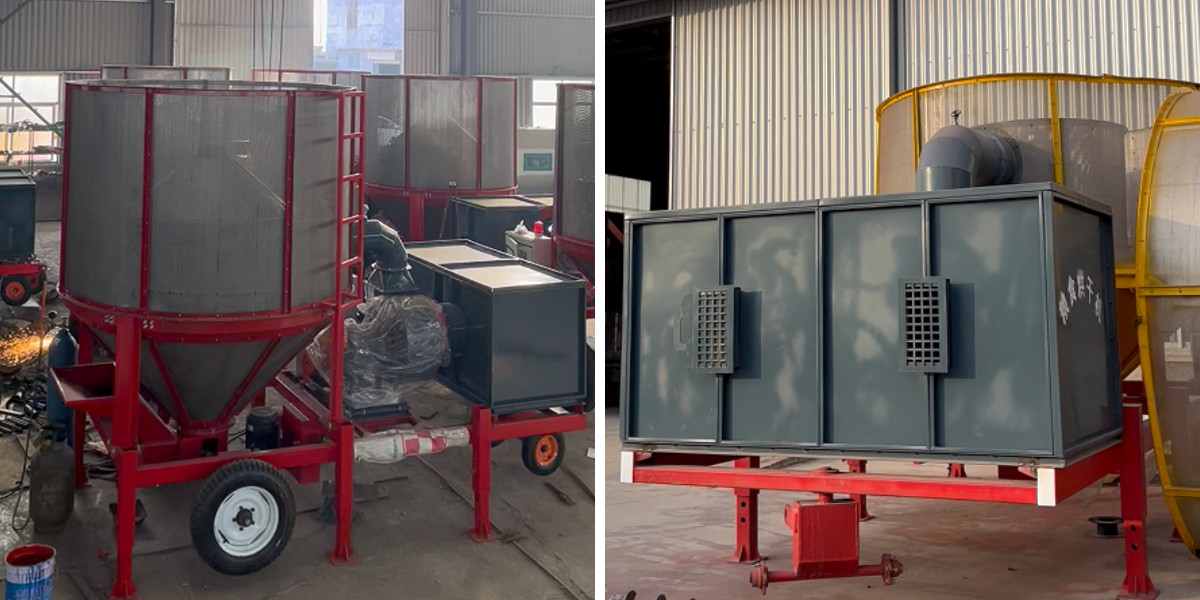
Working Principle
The grain dryer is a hot-air drying chamber that uses a rotary heating device to generate a large volume of hot air in a short time. Through high-temperature treatment, it effectively kills insect eggs and thoroughly solves the problem of grain moisture. The drying chamber is built with a metal aluminum inner wall, silicone cotton insulation, and an outer shell made of corrugated color steel or aluminum alloy panels. Inside the chamber, digital control and monitoring systems ensure precise regulation of air circulation, humidification, and heating for stable and efficient drying performance.
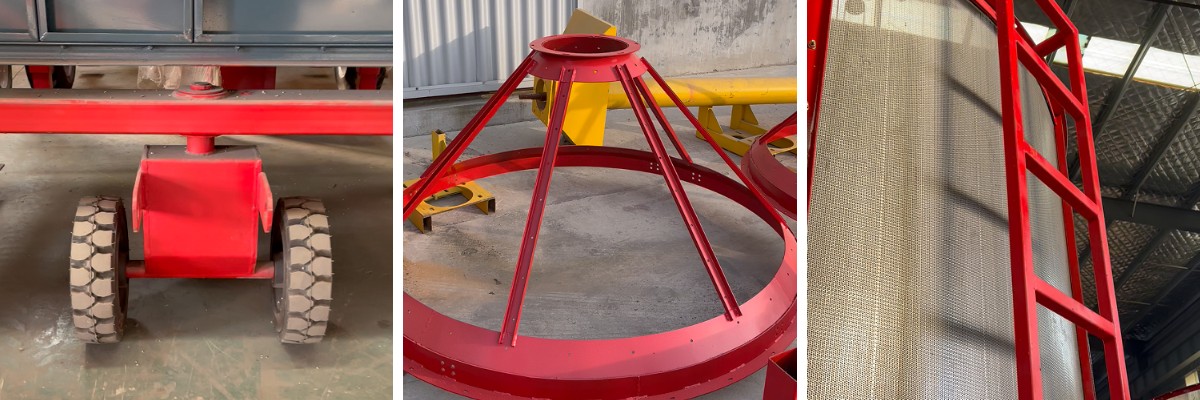
Types and Features
According to the relative movement between the grains and airflow, grain dryers can be classified into crossflow, mixed-flow, concurrent flow, counterflow, concurrent–counterflow, mixed–counterflow, and concurrent–mixed-flow types. Their main characteristics are as follows:
Crossflow Dryer:
Simple structure, easy installation, low cost, and high productivity. However, it provides less uniform drying, higher heat consumption per unit, and limited versatility for different grain types. Some grains may not achieve the desired drying quality, and the internal and external screens require frequent cleaning.Mixed-Flow Dryer:
Offers uniform hot air distribution and even grain moisture after drying. It has 5%–15% lower heat consumption, requires less fan power, and consumes less drying medium under the same conditions. Suitable for drying both grain and seed types, easy to clean, and prevents grain mixing. However, it has a more complex structure and slightly higher manufacturing cost, and a small portion of grain in the corner areas may dry more slowly.Concurrent Flow Dryer:
Operates at high air temperatures—typically 150–250°C in the first-stage high-temperature zone. It features low heat consumption, excellent drying quality, and high productivity, especially in multi-stage designs (three stages or more). This type is ideal for grains with high moisture content, allowing a single drying cycle to reduce moisture by 10%–15%. However, its structure is relatively complex, manufacturing cost is close to or slightly higher than mixed-flow dryers, and it requires high-pressure fans due to thicker grain layers.Counterflow Dryer:
Commonly used in the cooling section of concurrent or mixed-flow dryers, forming concurrent–counterflow or mixed–counterflow configurations. The main advantage of counterflow cooling is that it allows natural cool air to fully contact the grains, accelerating cooling speed and reducing the height of the cooling section appropriately.
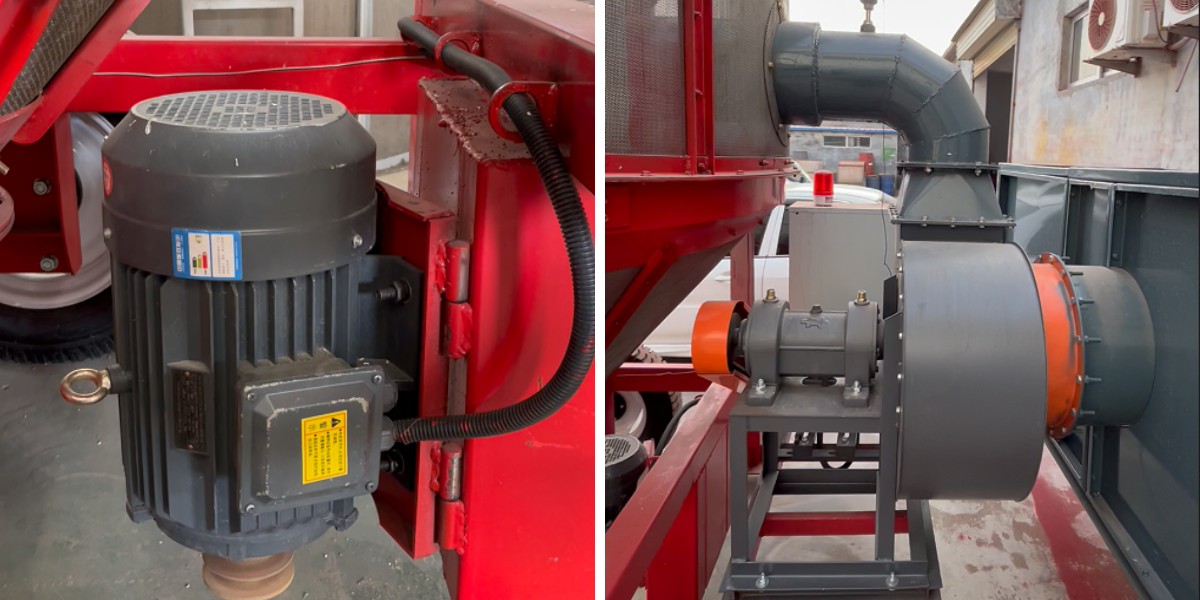
Selection Recommendations
Different grain types are best suited to specific dryer models.
For regions dominated by wheat and rice, mixed-flow or mixed–counterflow dryers are recommended.
For corn-producing areas, multi-stage concurrent flow dryers with high-temperature, fast-drying capabilities are ideal.
For rice-dominant regions, concurrent–counterflow or mixed–counterflow dryers with low-temperature, gentle drying sections are preferable.
Different grains require different drying processes and temperature settings. Depending on the drying volume and storage distribution:
For multiple grain types in small quantities or scattered storage, small batch (circulating) dryers or mobile dryers are suitable.
For single-type grains in large quantities and short drying periods, large continuous dryers are the best choice.